


There’s something profoundly moving about standing at the edge of the ocean, where the rhythmic cadence of waves creates a natural symphony unlike any other. The Symphony of the Sea: Embracing Coastal Tranquility isn’t just a poetic concept—it’s a scientifically documented phenomenon that affects our physical and mental wellbeing in remarkable ways. Having spent over two decades studying coastal environments and their impact on human psychology, I’ve witnessed countless individuals transform their mental state after just a few hours by the shoreline. This natural harmony between humans and oceanic environments represents one of our most primal connections to the planet.
The science behind coastal serenity
The therapeutic effects of coastal environments have been extensively documented in environmental psychology research. The negative ions produced by crashing waves and sea spray have been linked to increased serotonin levels, creating a natural antidepressant effect. Studies from the University of Exeter Medical School show that people living within a kilometer of the ocean report better general and mental health than those residing inland.
When you visit coastal areas, your body responds to more than just the beautiful scenery. The distinctive soundscape—a blend of rhythmic waves, distant seabird calls, and the gentle whisper of beach grasses—creates what researchers call “positive sound therapy.” This natural acoustic environment helps reduce cortisol levels and blood pressure, triggering your parasympathetic nervous system’s relaxation response.
The rhythmic nature of wave patterns also synchronizes with our brainwaves, potentially inducing a meditative state similar to that achieved through formal mindfulness practices. This helps explain why many people report feeling simultaneously energized and relaxed after spending time by the sea—a unique paradox that embodies The Symphony of the Sea: Embracing Coastal Tranquility in its most tangible form.
Engineering marvels beneath the waves
Our relationship with the ocean extends beyond emotional connections to practical applications in marine engineering. Underwater structures must withstand tremendous pressure and corrosive elements. This is where specialized materials like graphite gasket sheets become essential components in maritime infrastructure. These engineered materials seal connections between pipes and equipment in underwater environments, preventing leakage while withstanding the extreme conditions of saltwater exposure.
A properly installed graphite gasket sheet can maintain integrity even when subjected to dramatic temperature fluctuations and high-pressure environments found in deep-sea applications. Their carbon-based composition offers exceptional chemical resistance against saltwater corrosion—a critical factor in designing sustainable marine structures. Engineers developing offshore wind farms, research facilities, and even desalination plants rely on these specialized materials to ensure operational safety and environmental protection.
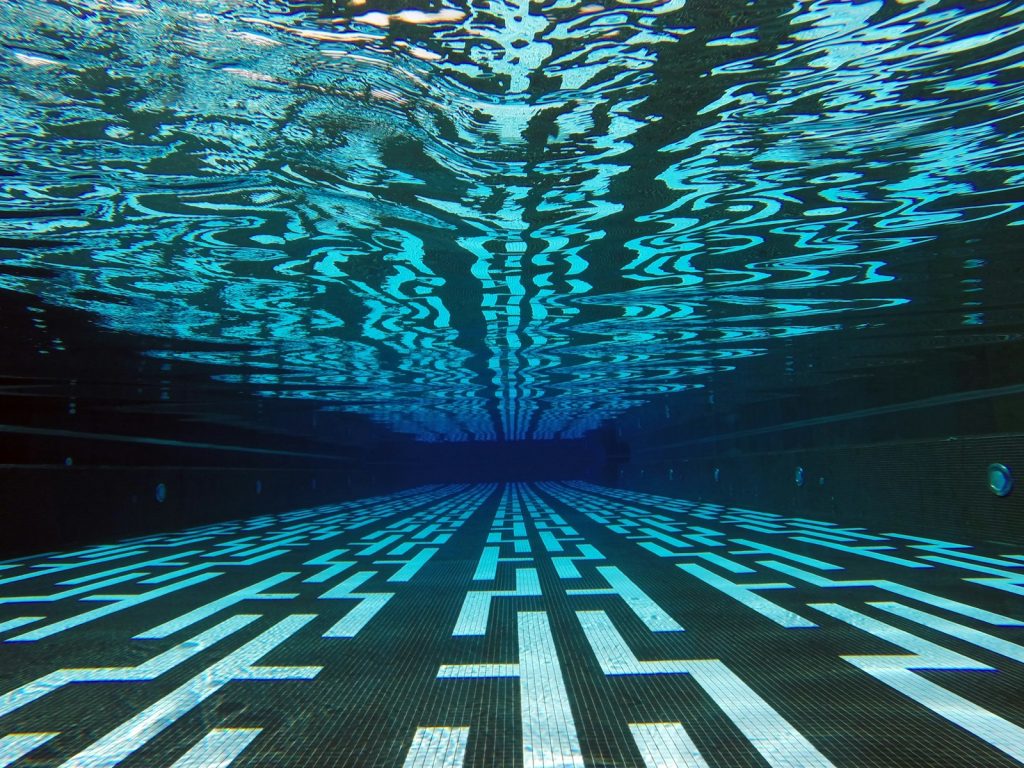
Metal gaskets provide complementary functionality in marine applications requiring rigid, high-strength connections. These precision-engineered components create reliable seals in flanged connections exposed to harsh oceanic conditions. The careful selection of appropriate metal gaskets directly impacts the longevity and safety of coastal infrastructure, from harbors to oil platforms.
Preserving coastal ecosystems through responsible engineering
As we continue developing coastal areas for human use, engineers face the dual challenge of creating durable structures while minimizing environmental impact. The proper selection and application of materials like specialized graphite gasket sheets and metal gaskets significantly reduces the risk of contamination through leaks or structural failures. This technical consideration represents an often-overlooked aspect of coastal conservation efforts.
Marine engineers increasingly implement biomimicry principles—studying natural forms and processes to inspire design solutions. For instance, certain metal gaskets now feature surface patterns inspired by shark skin, reducing biofouling and extending operational life while decreasing the need for chemical treatments that might harm marine life.
Environmental protection agencies worldwide have established strict regulations regarding materials used in maritime applications. These standards ensure that components like graphite gasket sheets meet specific criteria for chemical leaching, durability, and end-of-life recyclability. When you understand these engineering considerations, you gain a deeper appreciation for the complex relationship between human infrastructure and oceanic ecosystems.
Finding personal renewal in coastal environments
Beyond the technical aspects of coastal engineering lies the deeply personal experience of The Symphony of the Sea: Embracing Coastal Tranquility. This natural phenomenon offers unique psychological benefits that have been recognized across cultures for millennia. Ancient Greek physicians prescribed seaside trips for various ailments—an early form of “thalassotherapy” that continues in modern wellness practices.
Creating dedicated time for coastal experiences represents a valuable investment in your mental health. Research from Michigan State University indicates that even brief exposures to blue spaces can significantly reduce perceived stress levels and improve cognitive function. These benefits appear most pronounced when you engage multiple senses—feeling sand between your toes, inhaling salt-laden air, listening to wave patterns, and observing the play of light on water.
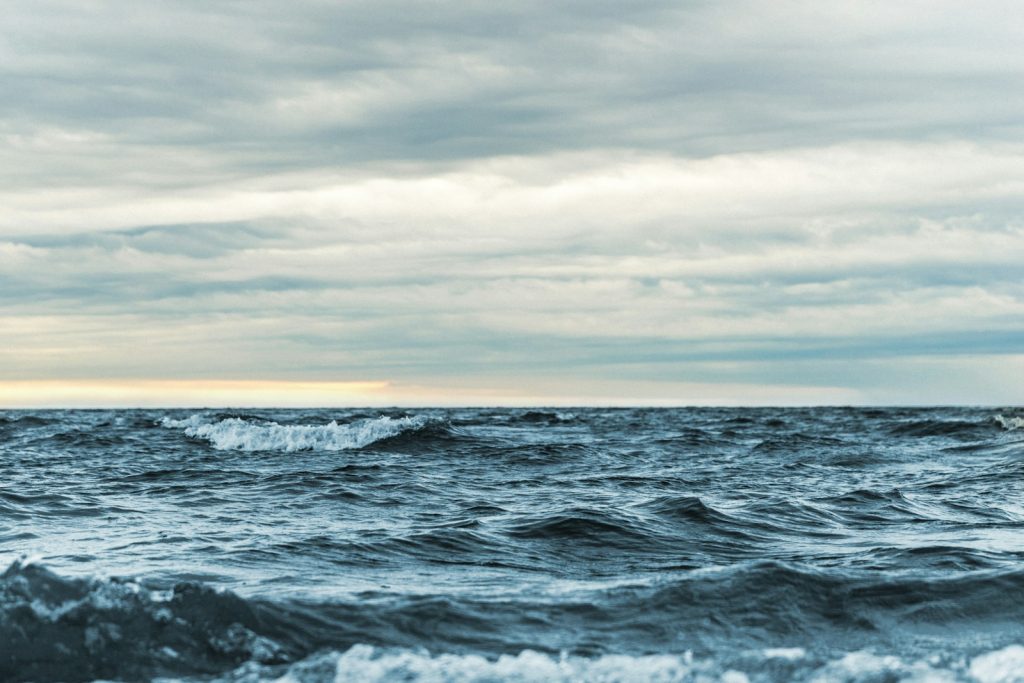
Many people report experiencing a sense of perspective shift when gazing at the vast ocean horizon. This psychological phenomenon, sometimes called “blue mind,” describes the mildly meditative state characterized by calm, peacefulness, and general happiness associated with water environments. Regular exposure to coastal settings has been linked to increased creativity, improved problem-solving abilities, and enhanced emotional resilience.
Balancing development and preservation
The growing recognition of coastal environments’ psychological benefits has sparked increased interest in waterfront properties and tourism. This presents both opportunities and challenges for coastal communities worldwide. Sustainable development practices must prioritize preserving the natural characteristics that create The Symphony of the Sea: Embracing Coastal Tranquility while accommodating human access and infrastructure needs.
Engineers and environmental planners increasingly collaborate to develop innovative solutions that maintain ecosystem integrity. For instance, specialized construction techniques minimize disruption to marine habitats during harbor developments. Similarly, advanced materials—including specially formulated gaskets and seals—help ensure that necessary infrastructure operates with minimal environmental impact.
When you visit coastal areas, your choices directly influence this delicate balance. Supporting businesses that demonstrate environmental responsibility, respecting wildlife habitats, and advocating for conservation policies all contribute to preserving these precious environments for future generations. The symphony of the sea belongs to everyone, and its continuation depends on our collective commitment to responsible stewardship.
The timeless rhythm of waves breaking against the shore represents one of nature’s most powerful healing tools—freely available yet priceless in its effects. Whether experienced through professional engineering work with specialized materials or simply by standing barefoot at the tide’s edge, our connection to coastal environments enriches both our individual lives and our collective human experience.
