

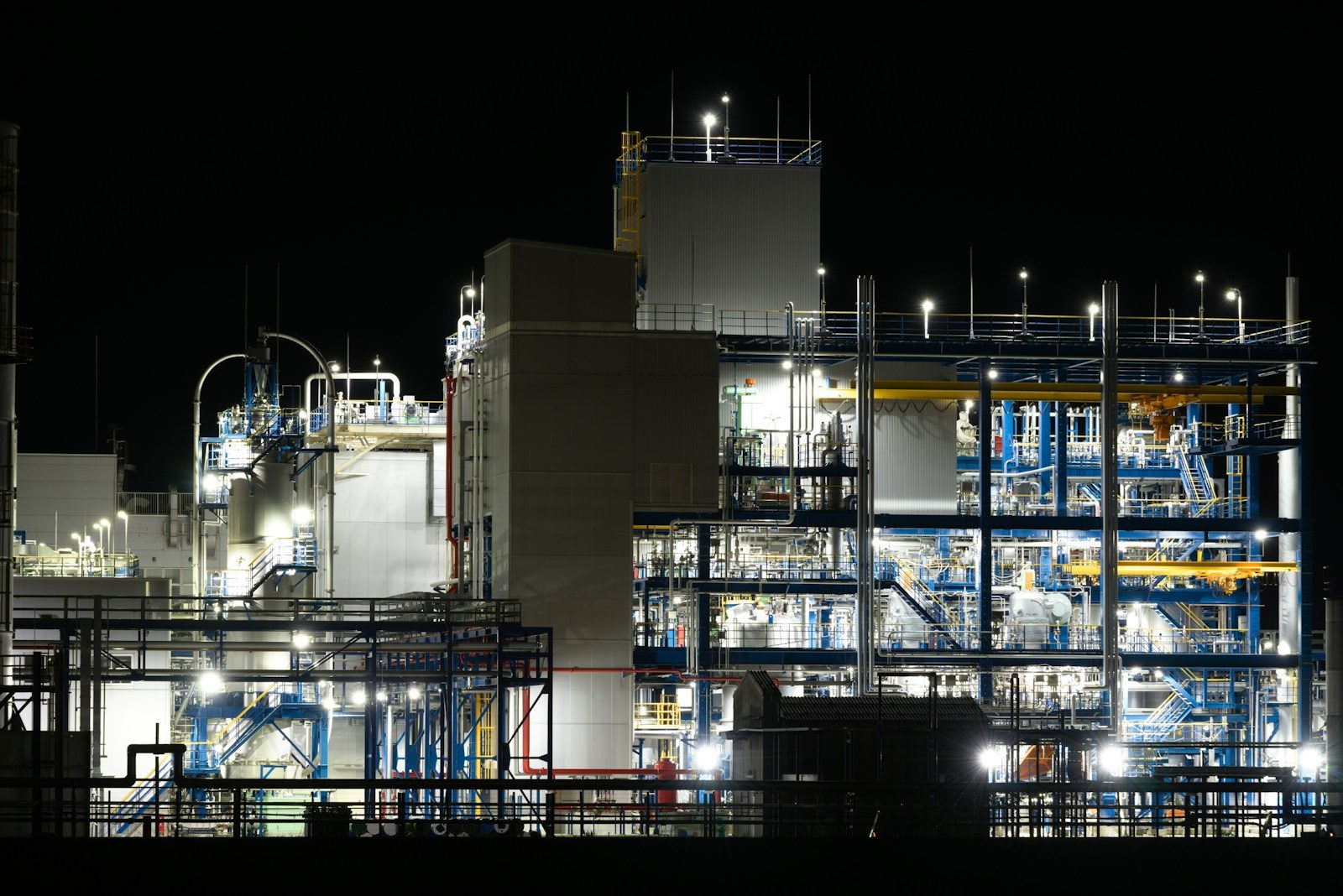
Preventing leaks in chemical processing plants represents one of the most critical challenges facing industrial safety managers and plant operators today. A single leak can result in production downtime costing hundreds of thousands of dollars, environmental damage requiring years of remediation, and worst of all, serious injuries or fatalities among workers. The chemical processing industry reports that approximately 60 percent of unplanned shutdowns stem from equipment failures related to sealing systems. These statistics underscore the vital importance of implementing comprehensive leak prevention strategies that address every potential failure point in your facility. Modern chemical plants operate under extreme conditions, with temperatures ranging from cryogenic levels below negative 150 degrees Celsius to superheat environments exceeding 500 degrees Celsius, combined with pressures that can reach several hundred bar. Understanding the fundamental causes of leaks and deploying proven prevention methods can transform plant safety records while simultaneously improving operational efficiency and protecting your bottom line.
Understanding common leak pathways in processing equipment
Chemical leaks typically occur at connection points where different equipment components meet, creating potential pathways for process fluids to escape containment. Flanged connections account for nearly 50 percent of all fugitive emissions in chemical plants, making them the primary focus area for leak prevention efforts. Valve stems represent another vulnerable point, particularly in systems handling corrosive chemicals that degrade packing materials over time. Pump seals experience constant wear from mechanical friction and chemical exposure, leading to gradual deterioration that eventually allows product to escape. Heat exchangers develop leaks when thermal cycling causes metal fatigue or when incompatible materials corrode under specific chemical conditions. Even welded joints can fail when improper welding techniques create microscopic flaws that propagate into cracks under operational stress. Recognizing these vulnerable areas allows maintenance teams to prioritize inspection schedules and allocate resources where they will have the greatest impact on preventing leaks in chemical processing plants.
Selecting appropriate sealing materials for your applications
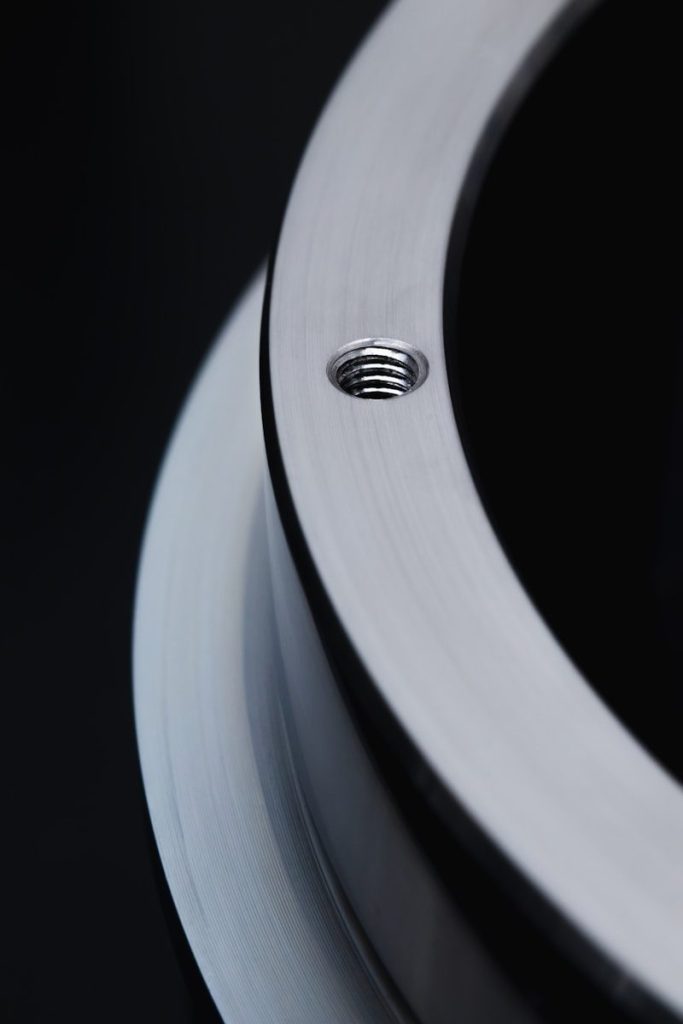
The foundation of leak prevention lies in choosing sealing materials that match your specific operating conditions and chemical compatibility requirements. Gasket sheets manufactured from expanded polytetrafluoroethylene offer excellent chemical resistance across a broad spectrum of process fluids while maintaining flexibility that accommodates flange irregularities. Compressed fiber sheets provide cost-effective sealing for low-pressure applications involving non-aggressive chemicals like water or mild acids. Spiral wound gaskets deliver reliable performance in high-pressure, high-temperature services where traditional flat gaskets would fail. Metal jacketed gaskets protect soft filler materials from chemical attack while providing the conformability needed for effective sealing. When dealing with particularly challenging services involving extreme pressures or aggressive chemicals, kammprofile gaskets combine a grooved metal core with soft facing layers to create a robust seal that resists blowout while maintaining superior sealing capability. The selection process must account for temperature extremes, pressure fluctuations, flange surface finish, bolt loading capacity, and the specific chemicals being handled. Many chemical plant operators maintain detailed sealing material selection charts that cross-reference these variables to recommend appropriate gasket types for each service condition.
Proper installation techniques that ensure seal integrity
Even the highest quality sealing materials will fail if installation procedures do not follow established best practices. Flange surfaces must be cleaned thoroughly to remove old gasket material, rust, scale, and any chemical deposits that could prevent proper sealing surface contact. Surface finish specifications typically call for roughness values between 125 and 250 microinches for optimal gasket performance, as surfaces that are too smooth may not grip the gasket adequately while overly rough surfaces can cut through softer materials. Bolt tightening must follow a systematic cross-pattern sequence that distributes compression forces evenly across the gasket face, preventing uneven loading that creates leak paths. Torque values should be calculated based on gasket manufacturer recommendations, flange size, bolt size, and target gasket stress levels, typically ranging from 25 to 75 percent of the gasket material’s maximum allowable stress. Using calibrated torque wrenches rather than estimating by feel ensures consistent bolt loading across all connections. Kammprofile gaskets require particular attention to bolt load since their metallic construction demands higher seating stresses than soft gaskets to achieve proper seal compression. Multiple tightening passes with gradually increasing torque values help seat gaskets uniformly while allowing time for material relaxation between passes.
Implementing predictive maintenance programs
Proactive leak detection through systematic monitoring catches potential failures before they escalate into safety incidents or environmental releases. Ultrasonic leak detection equipment can identify leaks producing sound frequencies above human hearing range, allowing technicians to locate small leaks invisible to visual inspection. Infrared cameras designed for gas imaging make normally invisible vapor clouds visible, enabling rapid identification of leak sources even in complex piping networks. Periodic valve packing adjustments prevent stem leaks that often develop gradually as packing materials compress and lose their sealing capability over time. Vibration monitoring on rotating equipment detects bearing wear or shaft misalignment that can lead to mechanical seal failures. Thermographic surveys identify hot spots indicating internal leaks in heat exchangers or process equipment insulation failures. Establishing baseline measurements for each critical connection point allows comparison over time to identify degradation trends before actual leakage occurs. Documentation of all inspection findings creates a valuable database that reveals patterns of failure related to specific equipment types, operating conditions, or installation practices. How often should inspection intervals occur? Most chemical processing facilities inspect critical services monthly while less critical applications receive quarterly or semi-annual attention based on risk assessment.
Upgrading legacy systems for improved leak prevention
Older chemical processing plants often contain equipment and sealing systems installed decades ago using materials and methods that no longer represent industry best practices. Replacing raised face flanges with ring-type joint flanges in critical high-pressure services eliminates the metal-to-metal contact that can crush gaskets and create leak paths. Converting from compression packing to mechanical seals on pumps handling hazardous chemicals dramatically reduces fugitive emissions while extending service intervals. Upgrading gasket sheets from traditional compressed asbestos fiber to modern synthetic materials improves both safety and sealing performance. Installing permanent gasket stress monitoring systems on critical flanges provides real-time data about bolt load retention, alerting operators when relaxation threatens seal integrity. Retrofitting pneumatic actuated valves with smart positioners improves stem alignment and reduces packing wear. Many plants achieve significant leak reduction by systematically replacing standard spiral wound gaskets with kammprofile gaskets in services where operating conditions have proven particularly demanding. These upgrades require capital investment but typically generate rapid payback through reduced product loss, lower maintenance costs, decreased environmental compliance expenses, and improved plant reliability that enables higher production throughput.
Training personnel in leak prevention fundamentals
The human element remains crucial in preventing leaks in chemical processing plants regardless of how advanced your equipment and materials may be. Maintenance technicians need hands-on training in proper gasket installation procedures including surface preparation, material selection, bolt tightening sequences, and torque calculation methods. Operators require instruction in recognizing early warning signs of developing leaks such as unusual odors, visible staining around connections, or unexpected pressure fluctuations. Engineering staff benefit from detailed education about material compatibility, thermal expansion considerations, and stress analysis of piping systems that affect sealing system performance. Creating a culture where workers feel empowered to stop operations when they observe potential leak hazards prevents minor issues from escalating into major incidents. Regular safety meetings that review recent leak incidents and discuss lessons learned keep leak prevention top of mind throughout the organization. Certification programs for critical skills like torque wrench operation or ultrasonic leak detection ensure consistent competency levels across your workforce. Do your employees understand why proper installation matters? Connecting proper procedures to real outcomes through case studies of failures makes the importance visceral and memorable rather than abstract.
Meeting regulatory requirements and beyond
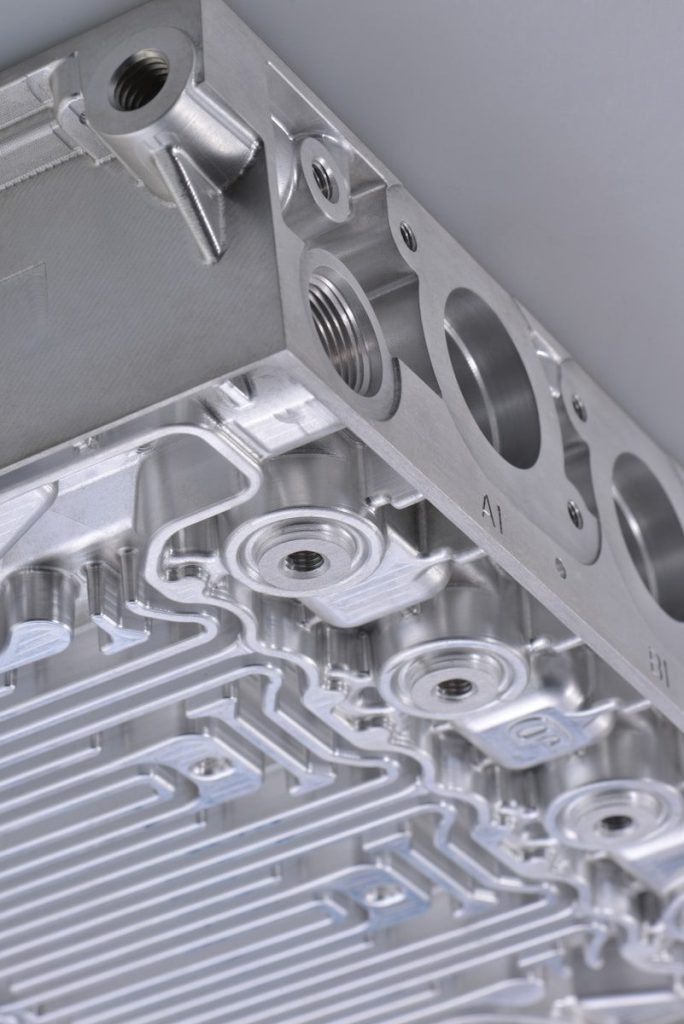
Government regulations establish minimum standards for leak detection and repair programs at chemical processing facilities, but leading companies recognize that compliance represents a floor rather than a ceiling. The United States Environmental Protection Agency requires quarterly monitoring of equipment in organic chemical manufacturing with repair timeframes ranging from 15 days for valves to immediate action for critical equipment. European Union directives impose similar obligations while often requiring more stringent emission limits for specific chemical families. Maintaining detailed records of all monitoring activities, detected leaks, and repair actions demonstrates due diligence during regulatory inspections and potential enforcement actions. Implementing leak prevention programs that exceed regulatory minimums reduces environmental liability exposure while improving community relations in areas surrounding your facilities. Many chemical companies now publish annual fugitive emission reports that track progress toward internal reduction goals more aggressive than regulatory requirements mandate. These voluntary initiatives respond to stakeholder expectations while driving continuous improvement in operational practices that prevent leaks at their source rather than merely detecting them after they occur. The most successful programs integrate leak prevention into broader process safety management systems where sealing integrity receives the same systematic attention as other major accident hazards.
